Learning Outcomes:
i. Define apical dominance and explain its role in plant architecture and growth patterns.
ii. Describe the influence of the apical meristem on the development of lateral shoots, including the suppression and promotion of branching.
iii. Explain the factors that can affect apical dominance, such as hormones, environmental conditions, and injuries.
iv. Discuss the applications of apical dominance in horticulture and agriculture, including pruning and grafting techniques.
v. Analyze the ecological implications of apical dominance in plant competition and community dynamics.
i. Apical Dominance: The Reigning Ruler of Growth
Apical dominance is a phenomenon in plants where the apical meristem, located at the tip of a stem, suppresses the growth of lateral shoots, also known as axillary buds. This control over branching patterns allows the plant to direct its energy and resources towards primary growth, ensuring the elongation of the main stem and the efficient capture of sunlight and resources.
ii. The Apical Meristem's Influence on Lateral Shoot Development
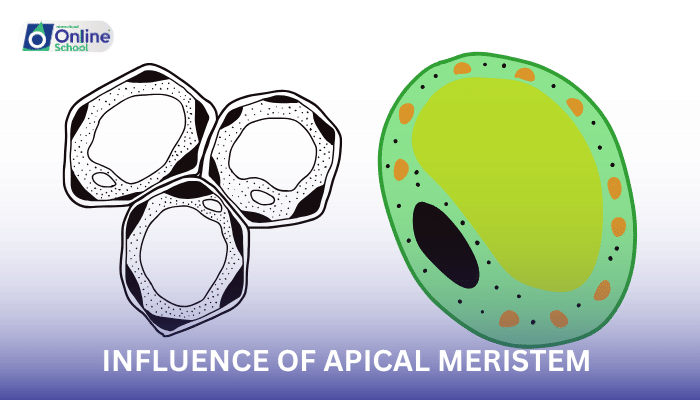
The apical meristem exerts its control over lateral shoot development through hormonal regulation. Auxins, plant hormones produced in the apical meristem, move down the stem and inhibit the growth of axillary buds. This suppression prevents excessive branching and allows the plant to focus on primary growth and maintain a streamlined form.
iii. Factors Affecting Apical Dominance
Apical dominance is not absolute and can be influenced by various factors:
Hormonal imbalances: Changes in auxin levels, either due to external application of hormones or disruptions in auxin transport, can alter apical dominance. For instance, applying auxin-inhibiting chemicals can promote lateral shoot growth.
Environmental conditions: Environmental stresses, such as drought or shading, can weaken apical dominance, allowing lateral shoots to develop. This may be an adaptive strategy for the plant to increase its surface area for light capture or water absorption under unfavorable conditions.
Injuries: Damage to the apical meristem can relieve the suppression of axillary buds, leading to increased branching. This is often observed in plants that have suffered from herbivory, pruning, or other physical damage.
iv. Applications of Apical Dominance in Horticulture and Agriculture
Horticultural and agricultural practices often utilize the principles of apical dominance to control plant growth and shape:
Pruning: Pruning involves the selective removal of portions of a plant, often to promote branching and desired growth patterns. By removing the apical meristem, axillary buds are released from suppression and start to grow, resulting in bushier and more compact plants.
Grafting: Grafting involves joining two different plant stems or pieces of root tissue, allowing them to grow together as a single plant. The apical dominance of the rootstock, the lower plant, can be utilized to control the growth and form of the scion, the grafted plant.
v. Ecological Implications of Apical Dominance
Apical dominance plays a significant role in plant competition and community dynamics:
Competition for resources: In dense plant communities, apical dominance can influence competitive interactions. Tall plants with strong apical dominance may outcompete smaller plants by shading them and limiting their access to light.
Community structure: Apical dominance can contribute to the overall structure and diversity of plant communities. Different species may exhibit varying degrees of apical dominance, influencing their growth patterns and interactions with other species.
Apical dominance is a fundamental aspect of plant growth and development, influencing branching patterns, plant architecture, and ecological interactions. Understanding the mechanisms and implications of apical dominance provides valuable insights into plant physiology, horticulture, and ecology. By manipulating apical dominance through pruning, grafting, and other techniques, we can control plant growth, shape desired forms, and enhance agricultural productivity.
